
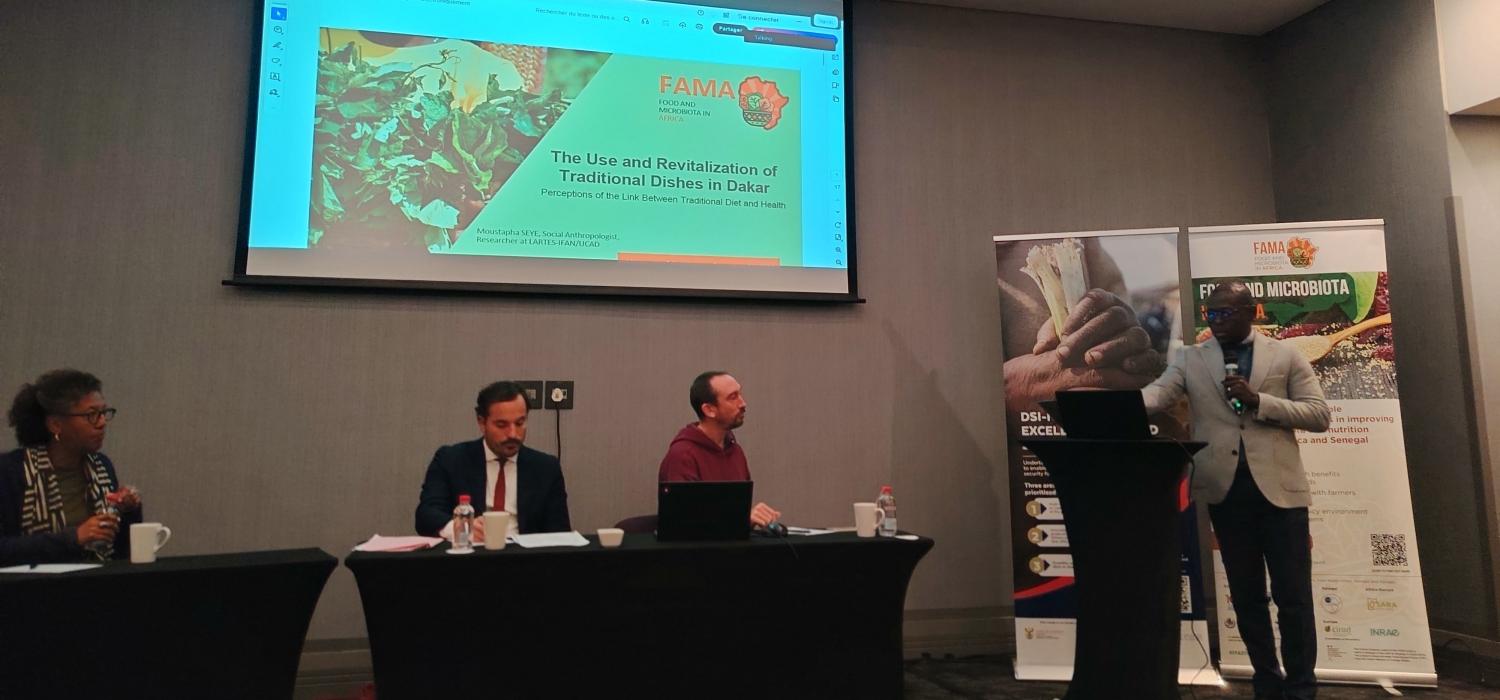
The Use and Revitalization of Traditional Dishes in Dakar
Background & Rationale
Rapid dietary transition: In sub-Saharan Africa, rapid urbanization is accompanied by a sharp increase in ultra-processed foods high in salt, sugar, and fat, at the expense of traditional local foods (WHO, 2024).
Double Burden of Malnutrition: Senegal faces both persistent malnutrition and a rapid rise in diet-related noncommunicable diseases: hypertension (31.6% in Dakar and 28.2% nationally), diabetes (7.7% in Dakar and 4.2% nationally), and obesity (STEPS 2024).
Growing awareness of the links between diet and health and a return to/revaluation of traditional dishes: In this context, dishes based on local grains, legumes, and regional produce are increasingly viewed as healthier, more natural, and culturally rooted alternatives (FAO, 2010).
A national priority: Senegal does not yet have formalized national dietary guidelines. The revival of traditional dishes is therefore part of a broader effort toward food sovereignty and support for local production.